Food Sustainability
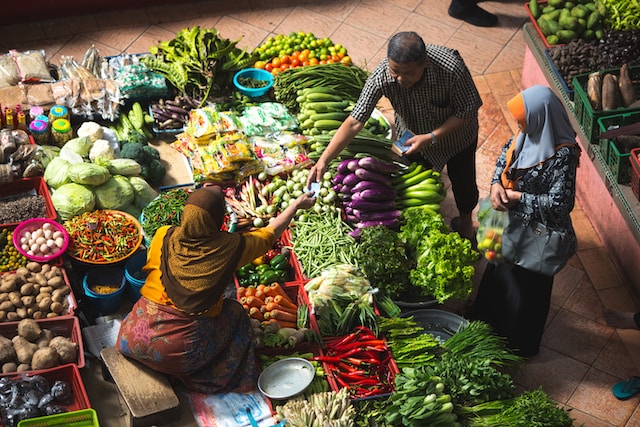
Food sustainability is about producing, consuming, and managing food in ways that protect the environment, support communities, and ensure resources are preserved for future generations. It emphasizes reducing waste, minimizing environmental footprints, and promoting equitable access to nutritious food. Sustainable farming practices, such as crop rotation, organic farming, and reduced pesticide use, help maintain soil health and biodiversity. Additionally, adopting plant-based diets, consuming locally grown produce, and reducing food waste can significantly contribute to a sustainable food system. Innovations like vertical farming, regenerative agriculture, and alternative protein sources are paving the way for eco-friendly solutions. Food sustainability isn't just about environmental health; it's also a social responsibility. Fair wages for farmers, ethical sourcing, and accessible nutrition are key pillars. By making informed choices, individuals and businesses can contribute to a global movement that ensures food security, protects the planet, and fosters resilience for future generations. Together, we can create a sustainable plate for a sustainable future
This is a great Project
Admin
Jan 16, 2025